


The Importance of Puzzles
27th October 2025
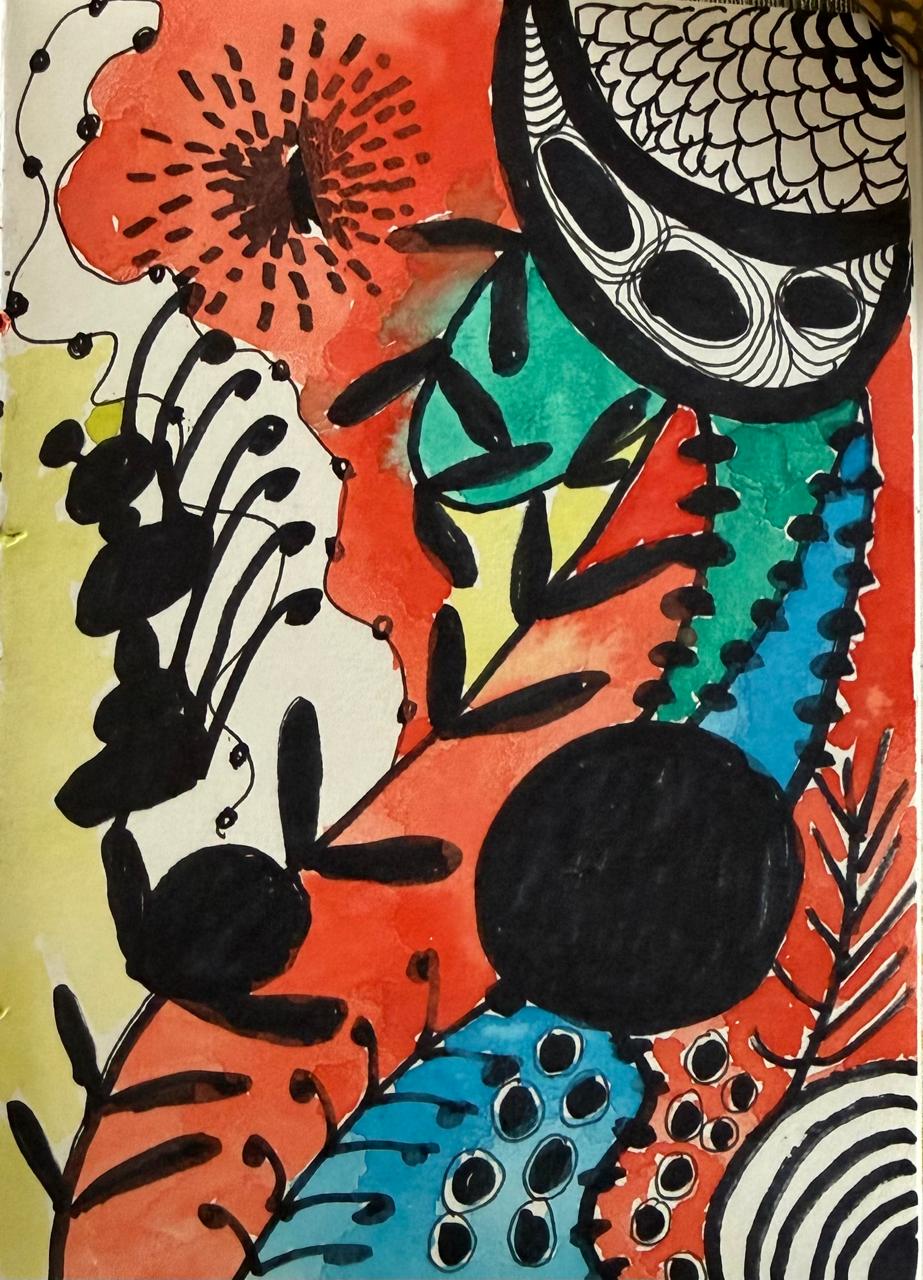
Puzzles must be a part of your child’s play area. Starting with one-piece puzzles, where the child just fits a shape into the slot provided, they progress to multi-piece puzzles with increasing difficulty as the child grows.
Puzzles are good for cognitive and physical skills such as problem solving, fine motor skills, eye hand coordination, and fine motor skills. They teach the child to think and be patient and work collaboratively. Solving puzzles increases attention span.
Puzzles teach the child to analyze shapes. Colors. Patterns and decide where each shape fits.
They help memory and concentration. They help the child understand and visualize how objects and shapes fit together in space. This is called spacial awareness, which is useful for math readiness and later on for geometry and physics.
Through puzzles the child develops strategies such as sorting by color and shape, to complete the puzzle.
Picking up and handling puzzle pieces makes the hands and fingers stronger and efficient. This is important for writing, buttoning clothes, tying laces and so on.
Eye-hand coordination is also elevated through solving puzzles as the child needs to synchronize what he sees with what his hands are doing to place the pieces correctly.
Success at solving a puzzle leads to a sense of accomplishment and boosts confidence.
Puzzles with images of animals, maps, letters, numbers, are a fun way for the child to absorb new information and increase his knowledge.
Please add puzzles to your child’s tool kit today!
Discipline.
Café Marina hummed with early evening activity until a family of five marched in. Three kids bouncing like pinballs, parents smiling with blind confidence which said: they’ll settle down once the food comes.
The eldest immediately began sword-fighting with breadsticks. The middle child discovered the merry-go-round of the revolving door, restricting entry to bewildered customers. The youngest, barely tall enough to see over the table, dumped a saltshaker into his glass of water and announced, “Potion!” before offering sips to strangers.
When the waiter arrived with menus, the kids lunged at him like paparazzi, tugging his apron, demanding pizza, fries, and “ice cream FIRST.” One crawled under a neighboring table and emerged with a lady’s handbag. Another climbed onto the buffet counter, shrieking, “I’m king of the chicken wings!”
The parents, unbothered, sipped quietly on their soups. “They’re just… spirited,” the mother said proudly, as the youngest attempted to stir her soup with a fork and a straw simultaneously.
By the time the family left, the restaurant looked like it had hosted a food fight championship. Waiters leaned against walls, breathless, like survivors of a natural disaster. The manager muttered, “Next time, we charge them a cleaning fee instead of a service charge.”
***
Children thrive on discipline. It is more than correcting misbehavior, it sets boundaries that build self-control, respect, and responsibility. Consistent discipline teaches life skills like empathy, problem-solving, and sound judgment.
Parents must be role models, as children mimic adult behavior. Discipline helps them pause before acting, consider consequences, and make thoughtful choices, while fostering cooperation and respect. Accountability builds independence, resilience, and success in both relationships and academics.
Effective discipline is not harsh punishment but guidance: consistency creates security, positive reinforcement motivates, and communication makes rules meaningful. Discipline should match a child’s age and temperament, firm structure in early years, shared responsibility in adolescence.
Balance is vital: too much strictness stifles, too much freedom weakens self-control. With love and respect, discipline shapes character and prepares children for life’s challenges.
Start early. A toddler cannot dictate family rules—refusing showers, preventing you from speaking on the phone, or monopolizing your attention. If this sounds familiar, pause and reset. Children must learn boundaries while young and impressionable. It is our duty to raise socially conscious, well-trained humans.
Comments




Mumbai, Maharastra
dheera_k@hotmail.com

